
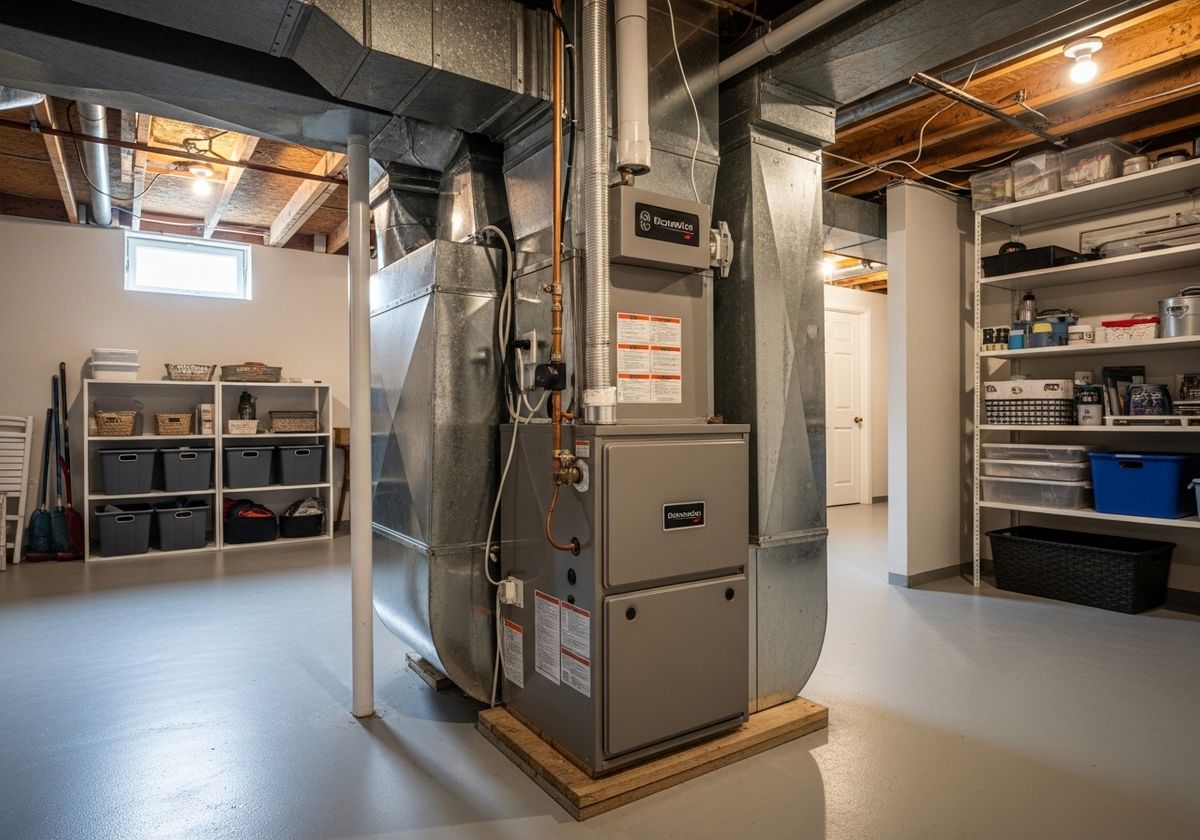
Choosing the right heating system for your home is a significant decision, impacting your comfort and your wallet. At Your Comfort Heating & Cooling, we know that two of the most common options for our neighbors in the Firestone area are electric and gas heating systems. Each has its own set of advantages and disadvantages in terms of cost, performance, and environmental impact. Understanding these differences is key to making an informed decision for your household.

Upfront Costs and Installation
The initial cost of purchasing and installing an electric heating system is typically lower than that of a gas system. Electric heaters, such as baseboard heaters or heat pumps, generally have simpler installation processes, reducing labor costs. Gas systems, on the other hand, require a connection to a gas line and may involve more complex venting and safety measures, leading to higher installation expenses.
Energy Efficiency and Performance
When it comes to energy efficiency, both electric and gas systems have made significant strides. Modern gas furnaces can achieve high-efficiency ratings, converting a large percentage of fuel into heat. Electric heat pumps are known for their exceptional efficiency, as they transfer heat rather than generate it, often providing more than 100% efficiency. However, the actual efficiency and performance can vary depending on the specific models and the climate in which they are used.
Operating Costs and Long-Term Savings
The operating costs of electric and gas heating systems depend on local energy prices. In areas with low natural gas prices, gas heating may be more cost-effective. Conversely, in regions with inexpensive electricity or where renewable energy sources are prevalent, electric heating can be more economical. It is essential to compare the current energy rates in your area and estimate your heating needs to determine which system offers the best long-term savings.
Maintenance and Lifespan
Both electric and gas heating systems require regular maintenance to ensure optimal performance and longevity. Gas systems typically need annual inspections and tune-ups by a qualified HVAC contractor to check for gas leaks and ensure proper combustion. Electric systems generally require less maintenance but may still benefit from periodic inspections to ensure all components are functioning correctly. With proper care, both types of systems can last for many years.

Environmental Impact
The environmental impact of heating systems is an increasingly important consideration. Gas heating, while efficient, does produce carbon emissions. Electric heating, especially when powered by renewable energy sources like solar or wind, can have a significantly lower carbon footprint. If environmental sustainability is a priority, electric heating may be the preferred choice.
Choosing between electric and gas heating requires careful consideration of your specific needs and circumstances. While gas heating may offer cost-effectiveness in some regions, electric heating provides environmental benefits and potentially lower upfront costs. Understanding these factors will help you make an informed decision that aligns with your budget, comfort preferences, and environmental goals. At Your Comfort Heating & Cooling, we are committed to helping you find the perfect heating solution for your home. As your trusted HVAC contractor, we offer comprehensive services, including new furnace installation and new AC installation. Contact us today and experience how we are committed to your comfort.